

A marketing year-end review is a short, structured look back at what your marketing actually did this year, so next year's plan is built on evidence instead of habit. Most small businesses can run one in a single afternoon by answering five questions: which channel brought your best clients, what you paid for that never connected to a sale, where leads stalled, which content helped close clients, and what you kept doing only out of habit. The answers then become three clear priorities for 2027.
Most founders skip the year-end marketing review. It is not because they think it is a bad idea. It is because December is busy, the data feels scattered, and planning next year seems more urgent than looking back at this one.
So 2027 gets planned on gut feel. The same channels get the same budget, the same posting schedule continues, and the same leaks stay open. The only real change is a bigger number at the top of the spreadsheet.
A review fixes that. It does not need a dashboard audit, a consultant or a week offsite. It needs one afternoon, a few exports and five honest answers.
Why Skipping the Review Costs You in January
A marketing plan is a set of bets. Every channel, campaign and content series is a bet that it will bring the right people closer to buying. A review is how you find out which bets paid off.
Without it, three things tend to happen. Budget keeps flowing to channels that feel busy but do not produce clients. Channels that quietly work get underfunded because nobody noticed them. And the team repeats the same follow-up gaps, because nobody looked at where leads went cold.
The review is not about judging the year. It is about deciding what deserves to continue.
What to Gather Before You Start
Spend the first 30 minutes pulling these together. Rough numbers are fine. Direction matters more than precision.
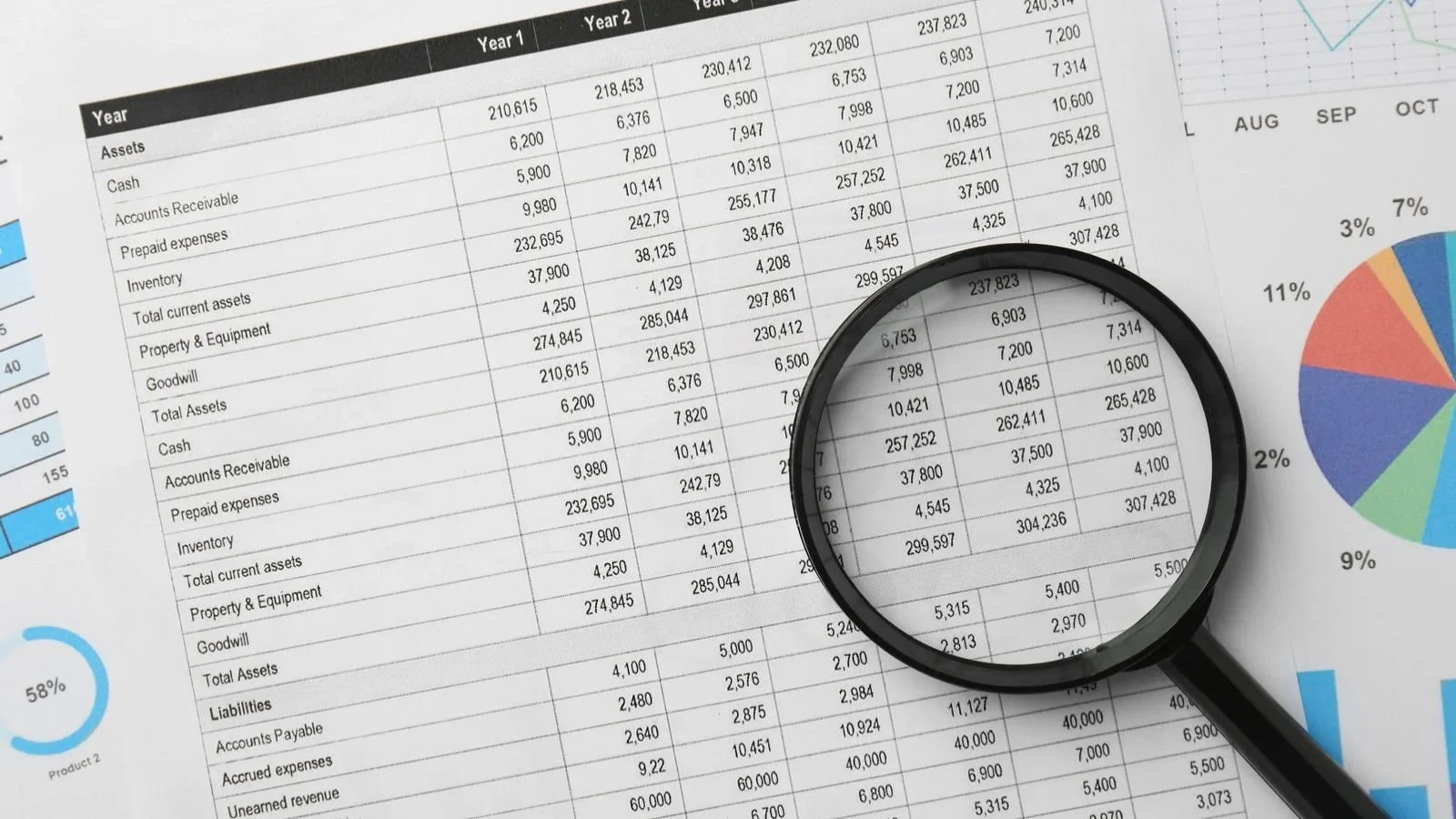
- A list of clients you won this year, and where each one first found you, if you know.
- Marketing spend by channel: ad accounts, agency or freelancer invoices, tools and subscriptions.
- Your inquiries: contact form submissions, DMs, emails and booked calls.
- Your top content: the posts, emails or blog articles with the most saves, replies or clicks.
- A blocked calendar slot with no meetings and notifications off.
The 5 Questions
Which channel brought in the clients you actually wanted?
Not the most clients. The right ones. Look at your best clients this year, the ones who paid well, stayed and were easy to work with, and trace where each of them came from.
What it tells you: which channel deserves protection and more investment in 2027. This is often different from the channel that generates the most activity.
What did you pay for that never connected to a sale?
List every recurring marketing cost: ads, tools, freelancers, sponsorships. Next to each one, write the clients or qualified leads you can connect to it. Some lines will stay empty.
What it tells you: where your 2027 budget can come from without spending more. An empty line is not always a cut, but it always needs a reason to stay.
Where did leads stall between first contact and a booked call?
Walk through your inquiries and mark where each one stopped. Did they never get a reply? Get a reply but no next step? Book a call and then go quiet?
What it tells you: whether you have a lead problem or a follow-up problem. Many small businesses try to fix the second with more of the first.
Which content did your best clients mention when they hired you?
Think back to sales calls and onboarding conversations. Which post, article, case study or video came up? What did clients repeat back to you about why they chose you?
What it tells you: which topics and formats build enough trust to move someone to buy. That is the content to make more of, regardless of how many likes it got.
What did you keep doing only because you did it last year?
Every business carries habits: a weekly post nobody reads, a platform that never fit the audience, a monthly report nobody opens. Name them honestly.
What it tells you: where your team's time is going without a return. Time is the budget most small businesses forget to review.
Turn Your Answers Into 3 Priorities for 2027
Five answers can easily turn into fifteen ideas. Resist that. Sort everything you found into three buckets, then pick one priority from each.

| Bucket | What goes here | Your 2027 priority |
|---|---|---|
| Keep and grow | Channels and content tied to your best clients (Questions 1 and 4) | The one channel that gets more time or budget |
| Cut or pause | Spend with no connection to sales and habits with no return (Questions 2 and 5) | The one cost or activity you stop in January |
| Fix | The point where leads stall (Question 3) | The one follow-up gap you close first |
Three priorities are enough to change a year. Each one should have an owner and a date, or it will end up in the same slide deck as last year's plan. If that sounds familiar, our guide on building a plan your team can actually execute covers how to assign ownership so priorities survive past week three.
A Simple Afternoon Schedule
| Time | Step |
|---|---|
| 30 minutes | Gather client list, spend, inquiries and top content |
| 90 minutes | Answer the five questions, about 15 to 20 minutes each |
| 45 minutes | Sort findings into Keep, Cut and Fix |
| 15 minutes | Write down your 3 priorities, each with an owner and a start date |

That is about three hours. If you run the business with a partner or a small team, do the gathering alone and answer the questions together. Different people remember different clients and different leaks.
What Happens Next
The review gives you direction. The next steps are sizing the budget to match it and building a plan that keeps running when the team gets busy. We cover both in the next two posts in this series, on setting a 2027 marketing budget and on building marketing around systems instead of campaigns.
Want a second set of eyes on your review?
We run this exact review with clients before every planning session, across their social, ads, website and follow-up. If you want to walk through your answers and leave with three clear priorities for 2027, book a planning call with our team.
Book a 2027 Planning CallMarketing Year-End Review: Common Questions
What is a marketing year-end review?
A marketing year-end review is a structured look back at the past year's marketing to see which channels, content and spending contributed to winning clients. Its purpose is to decide what to keep, cut and fix before planning the next year.
When should a small business do a marketing year-end review?
The best time is October or November, before next year's budget is set. Running it in December or January usually means the budget is already committed before the findings are known.
How long does a marketing year-end review take?
For most small businesses, a useful review takes about three hours: 30 minutes to gather data, 90 minutes to answer five core questions and about an hour to turn the findings into priorities.
What metrics matter most in a year-end marketing review?
The most useful metrics connect marketing to clients: where your best clients came from, cost per channel compared with the clients it produced, and where leads dropped off. Likes, followers and impressions matter far less than these.
What if I do not have good marketing data?
Start with what you know. A list of this year's clients and a rough memory of how each found you is enough to answer the most important question. Then make better tracking one of your three priorities for 2027.
